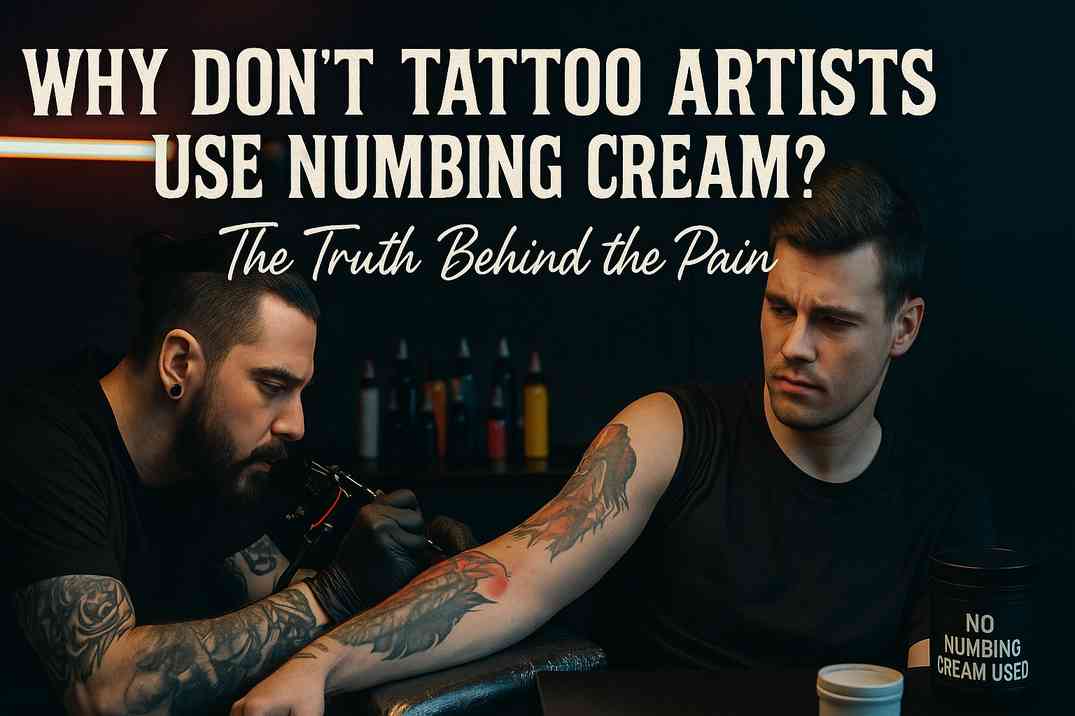
Why Don’t Tattoo Artists Use Numbing Cream?
Does Tattoo Pain Make You Hesitant to Get Inked?
So, you’re thinking about getting a tattoo, but there’s one thing holding you back: the pain. You’ve probably heard the buzz about tattoo numbing creams and wondered, “Does tattoo numbing cream work?” or even “Is numbing cream bad for tattoos?” After all, if numbing creams could make the whole experience less painful, why wouldn’t everyone use them, right?
In this article, we’re going to dig into all these questions and more. Tattoo numbing creams seem like an easy solution for those worried about the pain, but there’s more to it than just slapping on a cream and going to town with a tattoo machine. Tattoo artists have their reasons for not always using numbing creams, and we’ll explore them in detail. If you’ve been wondering how well tattoo numbing creams really work, or whether they could affect your tattoo’s healing process, keep reading to get the full scoop!
Table of Contents
Understanding the Pain of Tattoos
Why Does Getting a Tattoo Hurt?
Getting a tattoo involves needles repeatedly pricking your skin to deposit ink into your dermis (the second layer of skin). This can lead to varying levels of pain depending on where you’re getting the tattoo and your individual pain tolerance. Areas with more nerve endings, like the ribs, hands, or feet, tend to hurt more than places with thicker skin or less nerve activity. The intensity of the pain is something that can differ from person to person; while one person might feel it as a sharp sting, another might describe it as more of a dull throb.
But let’s face it—no matter what your pain tolerance is, sitting through a tattoo session for hours can seem daunting. Some people’s tolerance is high, while others might be more sensitive. This is where the idea of numbing creams comes in. The promise of reduced pain could make a tattoo seem more manageable, but is it really that simple?
The Reality of Tattoo Pain
Pain during a tattoo is an expected part of the process. Most people don’t consider it an unbearable experience, but more of a rite of passage in the tattoo world. The key thing to remember is that tattoo pain is temporary, and there are ways to reduce discomfort (without necessarily relying on numbing cream). Whether you’re getting your first tattoo or you’re a seasoned veteran, you’re bound to feel some discomfort. But does it really need to be numbed out with creams? That’s where things get a bit more complicated.
Why Tattoo Artists Don’t Always Use Numbing Cream
1. Numbing Cream Can Affect Ink Absorption
When you’re getting a tattoo, the ink needs to be deposited at the right depth in your skin. If the skin is too numbed, it can actually make this process harder for the tattoo artist. The numbing cream can create a barrier that stops the needle from reaching the right skin layers, making it tough for the tattoo ink to be absorbed properly.
So, how does this affect the tattoo? The ink might not stay vibrant, and in some cases, the tattoo may appear faded or blurry right after it’s done. This is because the skin didn’t allow the tattoo pigment to settle properly. Even worse, the numbing cream can make the tattoo heal less effectively, leading to patchy areas that require touch-ups.
Does numbing cream affect tattoo healing? Yes, it can. While the tattoo is still fresh, your skin needs to breathe and heal naturally. Numbing creams could clog pores or create a layer that prevents proper healing, which is why artists prefer to avoid them. If the skin isn’t healing properly, you risk infections or irritation, which can mess up your tattoo in the long run.
2. The Skin Becomes Slippery and Difficult to Work With
Numbing creams are designed to numb the skin, but sometimes they also leave behind a greasy or slippery residue. This creates problems for the tattoo artist. Tattoo machines rely on having a firm grip on the skin to make clean lines and solid shading. When the skin is slippery, the machine has a harder time staying steady, which could result in uneven lines, shaky designs, or mistakes.
Also, because numbing creams tend to sit on the surface of the skin, they might prevent the tattoo needle from working smoothly. The tattoo artist has to work with the skin’s natural texture, and numbing creams can alter this texture in a way that makes tattooing more difficult.
3. Allergic Reactions and Skin Sensitivity
Another important reason why tattoo artists avoid using numbing creams is the potential for allergic reactions. Some numbing creams contain ingredients like lidocaine or benzocaine, which can cause irritation or even allergic reactions in certain individuals. This can lead to swelling, redness, or discomfort, and in the worst cases, it might even make the tattooing process unsafe.
It’s important to keep in mind that every person’s skin reacts differently to products, and what works for one person might not work for another. Tattoo artists usually prefer to keep things simple and stick to methods that won’t cause unnecessary issues, like allergic reactions or irritation.
4. Increased Risk of Infection
When you apply numbing cream to your skin, it often creates a barrier that can trap bacteria, sweat, or other impurities under the surface. While the tattoo artist is working, this can increase the risk of infection. Tattoos are essentially open wounds, and keeping the skin clean and free from debris is essential for proper healing. Numbing creams might prevent the skin from naturally healing, potentially leading to bacterial growth or even causing long-term skin issues.
Since tattoo artists work in close contact with your skin for hours at a time, they prioritize cleanliness and safety. Using numbing cream that could cause infection or slow down the healing process is something they tend to avoid.
5. Tattooing is Part of the Experience
For some people, the pain is actually part of the tattoo experience. It’s often seen as a rite of passage or something that gives meaning to the tattoo. Many tattoo enthusiasts embrace the pain as part of what makes the process more memorable or personal. By numbing the pain, you could be missing out on that connection between you and the artwork.
Artists themselves might also believe that the pain or discomfort during a tattoo creates a deeper connection between the client and the art. The discomfort is something that makes the tattoo feel real and adds value to the experience. While numbing creams can make the process more comfortable, they might take away that raw, authentic feeling for some people.
Alternatives to Numbing Cream for Tattoo Pain Relief
If you’re not a fan of pain, there are other ways to reduce discomfort without relying on numbing creams. These alternatives can make the tattoo process easier to handle and might be a good option for people who still want to avoid using numbing creams.
1. Numbing Sprays or Patches
Some people opt for numbing sprays or patches, which are less invasive than creams. These sprays typically contain a lower concentration of numbing agents and are easier to apply. Patches work similarly by slowly releasing numbing agents into the skin, but they don’t tend to numb as deeply as creams. Keep in mind, though, these alternatives might not work as well for larger tattoos or for areas with higher pain sensitivity.
2. Distraction Techniques
Distractions can go a long way when it comes to dealing with tattoo pain. Many people find that focusing on something else—like listening to music, chatting with the artist, or even bringing a friend along—helps them handle the pain better. Engaging in conversation or focusing on something completely unrelated can keep your mind off the discomfort and make the experience feel less intense.
3. Taking Breaks
Tattooing can be a lengthy process, especially for large or detailed pieces. If the pain gets overwhelming, don’t hesitate to ask for a break. Taking short pauses during your tattoo session allows you to relax, stretch, and re-focus, helping your body cope with the pain. Most artists are used to taking breaks when needed, so feel free to communicate with them about your comfort level.
4. Mind Over Matter
Some people find that just breathing through the discomfort can be enough. Meditation or focusing on deep breaths can help manage pain. This technique is about mental preparation and staying calm throughout the session. The more you can relax your mind, the more manageable the pain will feel.
Conclusion
So, does tattoo numbing cream work? In some cases, yes, but it’s not always the best solution. While numbing creams may seem like a quick fix to the pain, they can affect the tattoo process and healing in several ways. From causing skin irritation or infection to altering ink absorption, numbing creams come with risks that tattoo artists usually prefer to avoid. On top of that, many believe that pain is part of the tattoo experience, making it something to embrace rather than numb out.
The good news is that there are alternative methods to manage pain, including numbing sprays, distraction techniques, and taking breaks during the session. And if you’re still concerned about the discomfort, remember, the pain is temporary, and the reward is a tattoo that lasts a lifetime.
FAQ’s
1. Does numbing cream make tattoos hurt less?
Numbing cream can reduce pain for some people, but it’s not a perfect solution. It may interfere with the tattooing process, and the effect varies from person to person.
2. Is numbing cream bad for tattoos?
Numbing creams can potentially cause problems, including preventing ink absorption, creating a slippery skin texture, or leading to allergic reactions or infections. Tattoo artists typically avoid them for these reasons.
3. How well does tattoo numbing cream work?
Tattoo numbing creams can work to some extent, but their effectiveness varies. For smaller tattoos or less sensitive areas, they might help, but for larger or more painful tattoos, they may not offer enough relief.
4. Does numbing cream affect tattoo healing?
Yes, numbing cream can affect healing by clogging pores or preventing the skin from breathing properly, which can increase the risk of infections or slow down the healing process.
5. Can I use numbing cream before getting a tattoo?
While it’s possible to apply numbing cream beforehand, it’s generally not recommended, as it can interfere with the tattoo process. Always check with your tattoo artist first.

Alley Galanis is the founder of TattooLead.com — a tattoo inspiration and education platform helping thousands of people find their perfect ink. With a deep passion for tattoo art, styles, and culture, Alley curates expert-backed content on tattoo ideas, aftercare, and design guidance. When not writing about tattoos, she’s exploring new tattoo trends and artist portfolios from around the world.