Does Numbing Cream Work for Tattoos?
Have you ever been excited about getting a tattoo but then quickly hesitated because of the pain? It’s a pretty common worry! Tattoos are an amazing form of self-expression, but the idea of needles repeatedly pricking your skin for hours might make you question whether it’s worth it. Thankfully, numbing creams have gained popularity as a solution to help with the pain. But here’s the real question: how well does numbing cream work for tattoos?
If you’ve been thinking about using numbing cream to make your tattoo experience more comfortable, you’re not alone. In this article, we’ll dive into how numbing creams work, whether they can truly make a difference, and if they’re worth trying before your next tattoo. Let’s explore what you can expect if you decide to go down this route!
Table of Contents
What Is Numbing Cream?
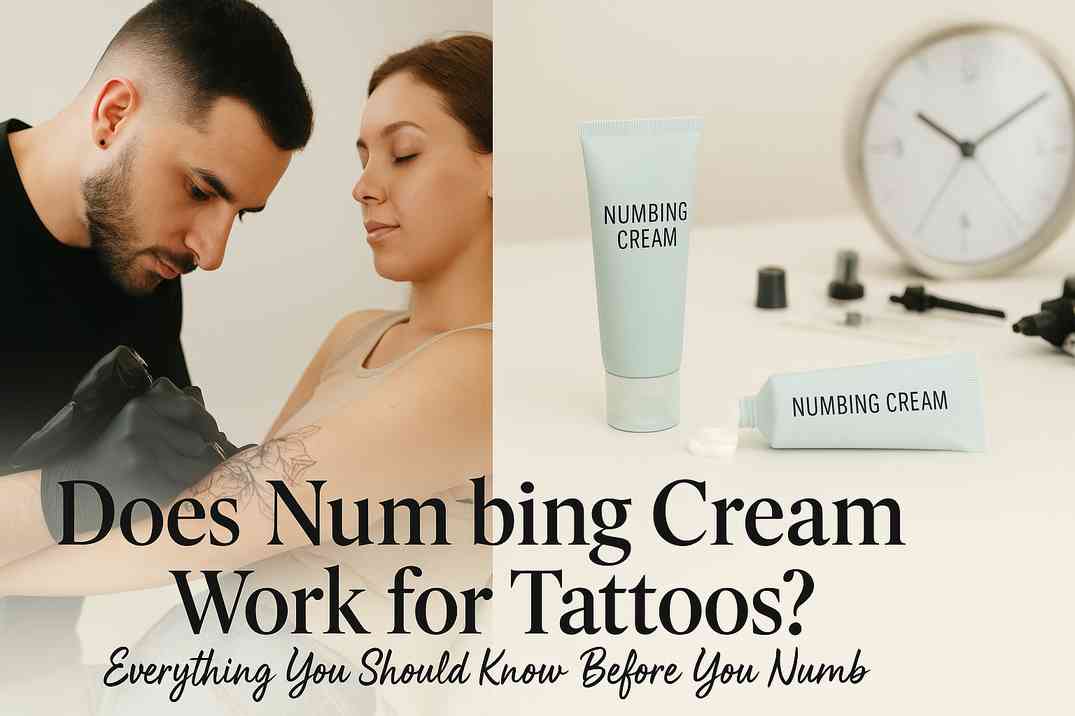
Before we go into whether numbing cream really works for tattoos, let’s take a step back and understand what numbing cream actually is. Numbing cream is a topical product that you apply directly to your skin, and its job is to numb the area so you don’t feel much pain during procedures like tattooing.
These creams contain active ingredients like lidocaine, prilocaine, or benzocaine, which temporarily block the pain signals from reaching your brain. Think of it like hitting the mute button on pain—while it’s not perfect, it definitely makes things more bearable.
How Does Numbing Cream Work?
When you apply numbing cream to your skin, it starts to numb the nerve endings underneath. This means that the usual pain from getting a tattoo—those sharp, repetitive needle pricks—is significantly reduced. The active ingredients, like lidocaine, stop your nerves from sending pain signals to your brain, which makes the whole tattooing process feel much less intense.
Numbing cream doesn’t last forever, but it can offer relief for a couple of hours, which is enough to get through a large portion of your tattoo session. Just keep in mind that how long the numbing effect lasts depends on a few factors, like how thick the skin is in the area you’re getting tattooed and the type of numbing cream you’re using.
Types of Numbing Creams for Tattoos
Not all numbing creams are the same, and the type of cream you choose can make a big difference in how well it works. Here are the two main types of numbing creams you’ll come across: over-the-counter creams and prescription-strength numbing creams.
Over-the-Counter Numbing Creams
These are the ones you can buy without needing a prescription, and they’re usually the most affordable. Over-the-counter numbing creams typically contain lower concentrations of the active ingredient (usually lidocaine), so they might not provide complete numbing, but they can still help reduce pain significantly.
Here are a couple of popular options:
- Dr. Numb: This cream is one of the most well-known for tattoo pain relief. It contains 5% lidocaine, which can help numb the area for up to 2-3 hours.
- Hush Gel: This is another favorite among tattoo artists. It uses lidocaine along with some other soothing ingredients to help you stay comfortable while getting your tattoo.
Prescription-Strength Numbing Creams
Prescription numbing creams usually have higher concentrations of active ingredients, which means they can provide stronger and longer-lasting relief. These are generally used for more painful procedures or larger tattoo sessions, as they’re more potent than the over-the-counter creams.
One of the most common prescription numbing creams is:
- Emla Cream: This cream combines lidocaine and prilocaine, and it’s often used for more intense procedures, like surgeries or injections. It’s a great option if you’re looking for something with a higher strength.
If you’re considering using a prescription-strength numbing cream, you’ll need to get a recommendation from your doctor, so keep that in mind!
Does Numbing Cream Actually Work for Tattoos?
Okay, now for the big question: does numbing cream really work for tattoos? The short answer is: Yes, but there are a few things you need to consider before you rely on numbing cream as your go-to solution.
Key Factors That Affect How Well Numbing Cream Works
There’s no one-size-fits-all when it comes to numbing creams, and their effectiveness can depend on several factors. Here are the main ones to keep in mind:
1. How Long You Leave It On
One of the most important things to remember when using numbing cream is that it needs time to work. Most creams take around 30 minutes to an hour to fully numb the area, so don’t expect instant results. If you don’t give it enough time to absorb into your skin, it may not work as effectively. So, make sure to follow the instructions closely and plan ahead.
2. Where You’re Getting the Tattoo
Some areas of your body are more sensitive than others. For example, places with thinner skin, like the ribs or wrists, are usually more painful to tattoo. On the other hand, areas with thicker skin or more muscle (like your upper arm) might not hurt as much even without numbing cream. Numbing cream tends to work best on less sensitive areas, so keep in mind that you may not get the same results on your ribs as you would on your thigh.
3. Tattoo Size and Intensity
If you’re getting a small tattoo, the numbing cream may last long enough to cover the whole session. But if you’re getting a large piece or a very detailed tattoo that takes hours, the numbing cream’s effect may wear off before the tattoo is finished. Larger tattoos and those on more painful parts of your body may require reapplication or a stronger cream.
4. The Cream Itself
Not all numbing creams are created equal. Some are stronger than others, and some may not provide as much relief. If you opt for a low-strength over-the-counter cream, you may only get mild numbing, and you could still feel some pain. For better results, you might want to look into prescription-strength numbing creams, which usually provide more effective relief for longer tattoo sessions.
5. Your Body’s Response
Everyone’s body is different, and some people might be more sensitive to numbing creams than others. Some might not feel much relief at all, while others might experience excellent numbing. If you’re not sure how your skin will react, it’s a good idea to test the cream on a small patch of skin before applying it to your entire tattoo area.
Will Numbing Cream Eliminate All Pain?
It’s important to understand that numbing cream will not completely eliminate pain. While it can definitely reduce discomfort, getting a tattoo is still a somewhat painful experience, especially if you’re having a large or detailed tattoo done.
Numbing cream can help take the edge off and make it more bearable, but it’s unlikely to make the process feel completely pain-free. It’s especially true for more sensitive areas or longer tattoo sessions, where the cream may start to wear off or lose its effectiveness.
How to Use Numbing Cream for Tattoos
Now that you know how numbing cream works, let’s talk about how to apply it. If you want the cream to work properly, you need to apply it in the right way. Here’s a simple, step-by-step guide on how to use numbing cream for tattoos:
Step-by-Step Guide:
- Clean the Skin
Make sure the area where you’re getting tattooed is clean and free of oils or dirt. Wash it with soap and water to ensure the cream can absorb properly. - Apply a Generous Amount of Cream
Apply a thick layer of numbing cream to the area. Don’t be shy—cover the area generously. Be sure the cream is spread out evenly so that all the skin is covered. - Cover with Plastic Wrap (Optional)
Some people like to cover the area with plastic wrap to keep the cream in place and prevent it from rubbing off. This isn’t always necessary, but it can help enhance the numbing effect. - Wait for It to Work
Allow the cream to sit for 30 minutes to an hour. Check the instructions on the cream to see how long it needs to work. Don’t rush this step! - Tattoo Time
Once the cream has had enough time to numb the area, you’re ready to start your tattoo session. Your tattoo artist will begin, and you should feel less pain than you would without the numbing cream.
Pros and Cons of Using Numbing Cream for Tattoos
Like anything, there are both advantages and drawbacks to using numbing cream. Let’s take a quick look at the pros and cons.
Pros:
- Pain Relief: The main benefit of numbing cream is that it helps reduce pain, making your tattoo experience much more comfortable.
- Helps with Sensitive Areas: If you’re getting tattooed in areas that are naturally more painful (like your ribs, spine, or elbows), numbing cream can make a big difference in how much pain you feel.
- Better Experience: If you’re nervous about the pain, numbing cream can help calm your fears and make the process less stressful.
Cons:
- Temporary Relief: The effects of numbing cream are not permanent, so it can wear off during a long tattoo session.
- Skin Reactions: Some people may experience skin irritation or allergic reactions to numbing creams, so it’s always a good idea to patch-test before using them.
- Mixed Results: Numbing creams don’t always work the same for everyone. Some people find them very effective, while others might not feel much relief.
Conclusion
In conclusion, numbing cream can definitely help reduce pain during a tattoo session, but it’s not a magic solution that will completely take away the discomfort. The effectiveness of the cream depends on several factors, including the duration of application, the area of the body being tattooed, and the type of cream used.
If you want to make your tattoo experience more comfortable, numbing cream is worth considering, especially for more sensitive areas or longer sessions. Just remember that while it can help, the pain might not disappear entirely. Talk to your tattoo artist about your options and choose the best numbing cream for your needs!
FAQ’s
1. How long does numbing cream last for tattoos?
Numbing cream usually lasts about 1-3 hours, depending on the type of cream and how it’s applied. For longer tattoo sessions, you may need to reapply the cream.
2. Can numbing cream completely eliminate tattoo pain?
Numbing cream can significantly reduce pain, but it won’t completely remove all the discomfort. Tattoos can still be painful, especially on sensitive areas.
3. Is it safe to use numbing cream for tattoos?
Yes, it’s safe to use numbing cream as long as you follow the instructions and don’t apply too much. Always patch-test the cream before applying it to a large area.
4. Can I use numbing cream for all tattoo types?
Yes, numbing cream can be used for most tattoos, but its effectiveness may vary depending on the tattoo size, placement, and your body’s response to the cream.
5. How should I apply numbing cream for my tattoo?
Clean the area, apply a thick layer of cream, cover with plastic wrap (if desired), and wait for 30 minutes to an hour before starting the tattoo.

Alley Galanis is the founder of TattooLead.com — a tattoo inspiration and education platform helping thousands of people find their perfect ink. With a deep passion for tattoo art, styles, and culture, Alley curates expert-backed content on tattoo ideas, aftercare, and design guidance. When not writing about tattoos, she’s exploring new tattoo trends and artist portfolios from around the world.