How Long Do Tattoos Take to Heal?
Getting a tattoo is an exciting experience, but once the ink settles in, the next big question arises—how long does a tattoo take to heal? Whether you’re a first-timer or a tattoo enthusiast, understanding the healing process can make the difference between a beautifully healed tattoo and one that could end up infected or damaged. If you’re wondering how long your tattoo will take to heal, or what you should do to speed up the process, you’re in the right place. This article will walk you through everything you need to know about tattoo healing time.
Table of Contents
Understanding the Tattoo Healing Process
When you get a tattoo, your skin goes through several stages of healing. The process can vary depending on several factors, including the size of the tattoo, your skin type, and how well you follow aftercare instructions. But generally, a tattoo takes around 2 to 4 weeks to heal on the surface, with full healing taking up to 6 months.
Initial Healing Phase (Days 1-7)
The first week after getting a tattoo is the most critical part of the healing process. Right after your tattoo session, your skin will be raw, red, and tender. The tattooed area may also have some swelling and a small amount of bleeding. This is normal and a sign that your skin is responding to the needle.
What to Expect in the First Week
- Swelling and Redness: This happens due to the trauma the skin has experienced during the tattooing process.
- Excess Ink: Your tattoo may leak some ink, blood, and plasma during the first few days.
- Scabbing: Your tattoo will begin to form small scabs, which should never be picked off.
The Itchy and Peeling Phase (Days 7-14)
Around the end of the first week, the skin will start to scab over and may begin to itch. The peeling stage typically starts around day 7 and lasts through the second week. This is when the tattooed area will begin shedding dead skin cells, leaving behind a new layer of skin.
What to Expect in the Second Week
- Itchiness: The skin will start to itch as it heals. Do not scratch or pick at the area.
- Peeling: Your tattoo will start peeling, much like a sunburn does. It’s important to let the skin fall off naturally.
During this time, you may also notice that the tattoo looks slightly dull. This is normal, and the vibrant colors will return once the tattoo is fully healed.
The Skin Tightening Phase (Weeks 3-4)
After the initial peeling and scabbing has stopped, your tattoo may appear healed on the surface. However, the healing process is not complete yet. The deeper layers of skin continue to repair themselves. This phase typically lasts for two to three weeks after the first two weeks of healing.
What to Expect in Weeks 3-4
- Skin Tightening: You may feel tightness or dryness in the tattooed area as your skin continues to heal.
- Fading: Some tattoos may look slightly faded during this phase, but don’t worry, they’ll regain their vibrancy once fully healed.
During this stage, you can gently moisturize your tattoo to keep the skin hydrated and reduce tightness.
Full Healing: The Final Stages
After the initial healing stages, your tattoo might seem almost completely healed, but the deeper layers of your skin are still recovering. Full tattoo healing can take anywhere from 3 to 6 months. This means that while your tattoo may look healed on the surface, the inner layers of your skin are still regenerating.
What to Expect in the Final Healing Stage
- Complete Regeneration of Skin: The deeper layers of the skin are still healing and repairing.
- Sensitive to the Touch: The tattooed area might still be sensitive to pressure for a few months.
- Avoiding Sun Exposure: The tattooed skin is still vulnerable to sun damage and should be protected with sunscreen.
Even if your tattoo appears healed after the first month, it’s important to continue caring for it during the entire healing process.
Factors Affecting Tattoo Healing Time
While most tattoos heal in a predictable timeline, the time it takes for a tattoo to heal can vary depending on several factors. Some tattoos may heal faster than others, and understanding these factors can help you take better care of your new ink.
Tattoo Size and Placement
The larger the tattoo, the longer it will take to heal. Full sleeves or large back pieces will require more time to heal than small designs on areas like the forearm or ankle.
The placement of your tattoo also plays a significant role. Tattoos in areas with thin skin (like the ribs) may take longer to heal, while those on thicker skin (like the upper arm) might heal quicker.
Skin Type and Health
Healthy skin heals faster. If you have sensitive skin, you may experience longer healing times, and certain skin conditions like eczema or psoriasis can also affect how well your tattoo heals. Taking care of your skin before getting tattooed and during the healing process is crucial.
Tattoo Aftercare
Proper aftercare is essential in ensuring your tattoo heals correctly and without complications. Follow the tattoo artist’s aftercare instructions carefully to avoid infection, scarring, and other issues that can delay the healing process. Using the right lotions and keeping the tattoo clean can speed up the healing time.
Tattoo Ink and Style
The type of ink used and the style of your tattoo can also affect how long it takes to heal. Darker inks like black tend to heal faster than light colors, and detailed tattoos may take longer due to the intricacy of the design.
How to Care for Your Tattoo During the Healing Process
Proper care is vital in making sure your tattoo heals beautifully and without issues. Here’s a guide to the best tattoo aftercare practices.
Cleaning and Moisturizing
During the first few days, gently clean your tattoo with mild soap and water. Pat it dry with a clean towel to avoid irritating the area. Once the tattoo is dry, you can apply a thin layer of fragrance-free tattoo ointment or unscented lotion to keep the area moisturized. Over-moisturizing can cause excess build-up, so use a light hand.
Avoid Scratching and Picking
As your tattoo heals, it will inevitably itch. The temptation to scratch or pick at the scabs can be strong, but resist it. Scratching can cause infection, scarring, or color loss. Let the scabs fall off naturally.
Keep Your Tattoo Covered
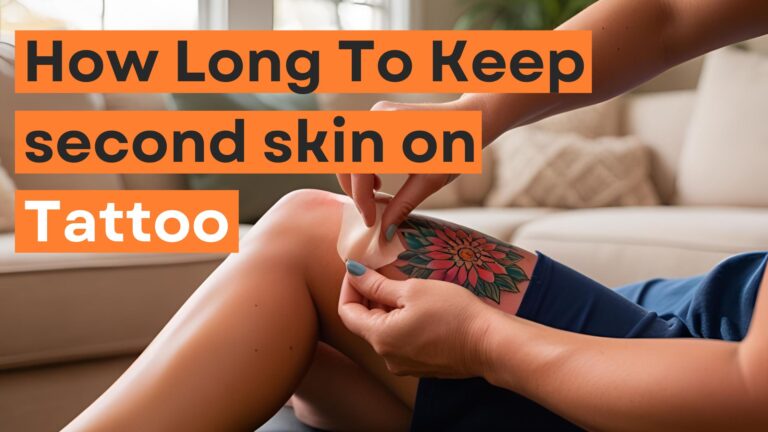
For the first few days, it’s a good idea to keep your tattoo covered with a sterile bandage to prevent dirt and bacteria from entering the wound. After that, make sure the tattoo is exposed to air but avoid direct sunlight or tight clothing that might irritate the area.
Avoid Submerging in Water
Do not submerge your tattoo in pools, lakes, or hot tubs while it’s healing. This can expose your tattoo to harmful bacteria and cause infection. Showers are fine, but avoid letting the tattoo sit under direct water pressure for long periods.
Common Tattoo Healing Issues
While tattoos generally heal without complications, it’s important to be aware of potential issues that can arise during the healing process.
Infection
One of the biggest risks during the healing process is infection. An infected tattoo may become red, swollen, and painful, and may produce discharge. If you suspect an infection, contact your healthcare provider immediately.
Scarring
Improper tattoo aftercare, such as scratching or excessive moisture, can lead to scarring. If you notice raised or irregular areas forming around your tattoo, seek professional advice on how to address it.
Color Fading
It’s normal for a tattoo to appear a bit faded during the healing process. However, if your tattoo fades significantly in the months following the healing process, it might indicate a problem with the ink or healing. Be sure to follow your tattoo artist’s aftercare instructions to help prevent fading.
Conclusion: Patience Is Key
Healing a tattoo is a process that requires time and care. While tattoos typically take 2-4 weeks for surface healing, the deeper layers can take 3-6 months to fully regenerate. Proper aftercare, patience, and self-care are essential for ensuring that your tattoo heals properly. Following your artist’s instructions carefully will help your tattoo stay vibrant and beautiful for years to come.
5 FAQs About Tattoo Healing
1. Can I speed up the healing process of my tattoo?
While you can’t really “speed up” the healing process, you can take proper care of your tattoo by moisturizing, keeping it clean, and avoiding infection. Good tattoo aftercare can ensure that your tattoo heals quickly and without complications.
2. Is it normal for my tattoo to scab and peel?
Yes, scabbing and peeling are normal parts of the healing process. Your tattoo may form small scabs during the first week and peel in the second week. Just be sure to avoid picking at it.
3. Can I go to the gym after getting a tattoo?
It’s best to avoid intense physical activity for at least a week after getting your tattoo. Sweating, friction, and irritation from clothing can slow down the healing process and increase the risk of infection.
4. Will my tattoo ever fully heal?
Yes, a tattoo can heal completely, but this can take several months. While the surface heals quickly, the deeper skin layers continue regenerating for up to 6 months.
5. Can I go swimming with a new tattoo?
No, you should avoid swimming in pools, lakes, or hot tubs until your tattoo is fully healed. Submerging a new tattoo in water can cause infection and interfere with the healing process.

Alley Galanis is the founder of TattooLead.com — a tattoo inspiration and education platform helping thousands of people find their perfect ink. With a deep passion for tattoo art, styles, and culture, Alley curates expert-backed content on tattoo ideas, aftercare, and design guidance. When not writing about tattoos, she’s exploring new tattoo trends and artist portfolios from around the world.