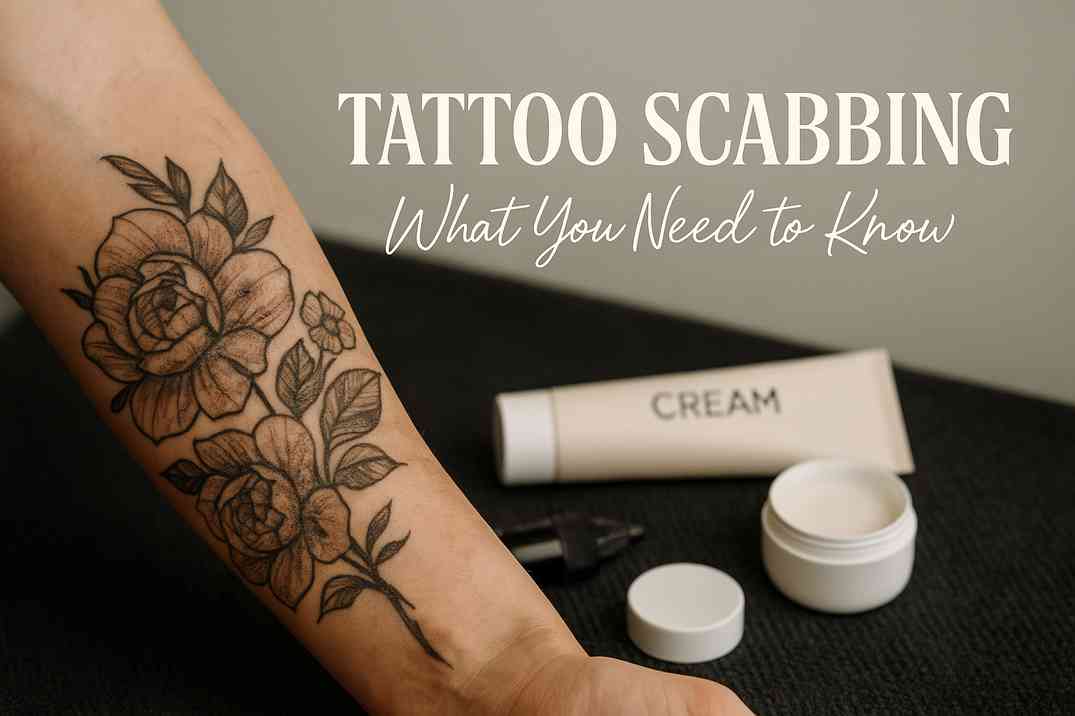
Tattoo Scabbing: What You Need to Know
Have you ever looked at your fresh tattoo and noticed it starting to scab? Are you wondering if it’s a sign of a healing problem or just part of the normal process? If you’ve never had a tattoo before, the sight of scabbing can be pretty alarming. But here’s the thing: tattoo scabbing is completely normal, even though it might look a bit concerning at first. The way your tattoo heals will involve a series of stages, and scabbing is just one of them. In fact, how you handle your scabs can have a huge impact on the final result of your tattoo.
In this article, we’ll break down everything you need to know about tattoo scabbing. We’ll cover why it happens, what to expect during the healing process, how to care for your tattoo, and how to spot any signs of something going wrong. Whether you’re a tattoo newbie or a seasoned pro, understanding tattoo scabbing is key to making sure your ink heals beautifully.
Table of Contents
What is Tattoo Scabbing?
What Exactly is Scabbing on a Tattoo?
When you get a tattoo, the process involves tiny needles puncturing the skin and injecting ink into the dermis (the second layer of your skin). Your skin reacts to this “trauma” by starting to heal. Scabbing is just a natural part of this healing process. When your tattoo starts to scab, it’s your body’s way of protecting the wound and helping it heal properly. Scabs form over the tattooed area as your skin repairs itself, which is why you might notice them after a couple of days.
While scabbing is common, how your skin reacts during this process can vary. For some people, scabbing might be minimal, while for others, it can be a little more prominent. This is where it’s important to recognize what’s normal and what might be a sign of something going wrong.
Why Does Tattoo Scabbing Happen?
Scabbing is simply part of the body’s way of protecting itself as it works to heal the tattooed skin. When the tattoo needles break the skin’s surface, your body’s immune system kicks in to heal the tiny puncture wounds. The scabs act as a natural barrier to prevent bacteria and other harmful elements from entering the tattoo while new skin cells are formed underneath.
It’s important to remember that scabbing doesn’t mean something is wrong. It’s a sign that your body is doing its job and repairing itself. However, the key to having a successful healing process is knowing how to care for your tattoo while it’s in the scabbing phase.
Day-by-Day Tattoo Healing Process: What to Expect
Day 1-4: Immediate Aftercare and Initial Healing
Right after you get a tattoo, the area will be red, swollen, and tender. This is completely normal as your body starts reacting to the tattooing process. You might notice a bit of plasma (a clear fluid) oozing from the tattoo during the first couple of days. This is your skin’s natural way of protecting the tattooed area and should not be confused with pus, which indicates infection.
During this early phase, your tattoo will begin to form a thin layer of dried plasma, which might look like the start of scabbing. It’s important to keep the tattoo clean during these first few days. Gently wash the area with mild soap and water to remove any dirt and excess fluid. Be careful not to scrub or rub the area—just pat it dry with a clean towel.
Day 5-7: Scabs Begin to Form
As your tattoo starts to heal, you’ll notice the formation of scabs on the surface. This is when the healing process really kicks in. The scabs are made up of dried plasma, ink, and blood, and they form a protective crust over your tattoo. This is a crucial stage because the scabs help prevent infection while your skin heals beneath them.
It’s important to avoid picking at the scabs during this time. Even though it might be tempting, picking at the scabs can pull ink out of the tattoo and result in scarring. It’s a delicate balance between letting the tattoo heal and not disturbing the scabs.
Day 7-14: Flaking and Peeling
By the time the second week rolls around, your tattoo will begin to shed the scabs and dead skin. This is often when you’ll notice the scab flaking off and some peeling. This phase is usually the most uncomfortable, as the tattoo can itch quite a bit.
It’s normal for the scabs to flake off on their own during this period. But it’s super important to not scratch or peel them. Let them fall off naturally. Scratching or peeling scabs can cause permanent damage to your tattoo, leaving it with gaps, faded spots, or even scars.
Day 14 and Beyond: Final Stages of Healing
By now, most of the scabs will have fallen off, and your tattoo will look a bit more settled. However, your tattoo is still not fully healed—there are deeper layers of skin still in the process of healing. At this stage, your tattoo might still look slightly cloudy or dull, but that’s completely normal.
While it may feel better by now, keep in mind that the skin is still recovering. Make sure to keep moisturizing and avoid exposing the tattoo to excessive sun or moisture until it is completely healed.
Is Tattoo Scabbing Normal?
Yes, Tattoo Scabbing Is Normal – Here’s Why
It’s completely normal for a tattoo to scab as it heals. Scabbing is just a part of the process, and in fact, it’s a good sign that your body is doing what it needs to heal the area. It’s important not to panic or assume something is wrong when you see scabs forming.
However, not all scabbing is the same. The severity and duration of scabbing can vary based on several factors, including your skin type, the tattoo’s size and placement, and how well you care for the tattoo during the healing process. If you follow proper aftercare guidelines and avoid scratching or picking at the tattoo, you should be able to minimize the chances of complications.
Abnormal Tattoo Scabbing: When to Worry
When Is Scabbing a Cause for Concern?
While scabbing is normal, there are some cases where it could be a sign of something more serious. Here are a few signs of abnormal scabbing or complications to watch out for:
- Excessive redness or swelling around the tattoo area, beyond the first few days
- Pus or green/yellow discharge coming from the tattoo (this may indicate infection)
- Intense pain or tenderness that doesn’t subside after a few days
- Prolonged scabbing that lasts longer than two weeks without improvement
If you notice any of these signs, it’s important to reach out to your tattoo artist or a healthcare professional. Infections, allergic reactions, and other issues can sometimes cause abnormal scabbing, and the sooner you catch them, the easier it is to treat.
How to Handle Abnormal Scabbing
If you believe your scabbing is abnormal or you’re noticing signs of infection, it’s crucial to avoid picking or scratching at the area. The best course of action is to keep the tattoo clean and dry, and consult your tattoo artist or a doctor for advice.
How to Care for Tattoo Scabs: Tips for Faster Healing
Taking care of your tattoo while it’s scabbing is key to ensuring it heals properly. Here are some tips to make sure your tattoo heals beautifully:
1. Keep It Clean and Dry
During the scabbing phase, it’s essential to keep the tattoo clean. Wash it gently with mild, fragrance-free soap and lukewarm water. After cleaning, pat the tattoo dry with a clean towel. Avoid rubbing it, as this could irritate the skin or cause the scabs to come off too early.
2. Apply a Moisturizer
Keeping your tattoo moisturized helps reduce the dryness and discomfort that comes with scabbing. Use a fragrance-free, tattoo-specific lotion or ointment to keep the skin hydrated. Be sure to apply a thin layer, as too much can suffocate the skin.
3. Avoid Scratching or Picking
It can be hard to resist the urge to scratch, especially when your tattoo itches, but scratching or picking at the scabs can damage the tattoo. This can lead to ink loss, scarring, or infection, so it’s best to leave the scabs alone and let them fall off naturally.
4. Stay Out of the Sun
Sun exposure can not only cause your tattoo to fade but also slow down the healing process. During the scabbing phase, avoid exposing your tattoo to direct sunlight. Once it’s fully healed, you can use sunscreen to protect your tattoo from UV damage.
5. Avoid Water Submersion
For the first couple of weeks, avoid soaking your tattoo in water. This includes swimming pools, hot tubs, or long baths. While a quick shower is fine, soaking your tattoo can cause the scabs to soften and fall off too early, which may damage your tattoo.
Conclusion: Embrace the Healing Process
Tattoo scabbing is a natural part of the tattoo healing process, and while it can be a little uncomfortable or concerning, it’s essential to let it happen. As long as you follow proper aftercare, your tattoo should heal beautifully, and the scabs will eventually fall off, revealing your fresh new ink. Remember to be patient and let your body do its work, and your tattoo will thank you for it!
FAQs About Tattoo Scabbing
1. How long does tattoo scabbing last?
Tattoo scabbing generally lasts for about 7 to 14 days, depending on factors like tattoo size, placement, and skin type.
2. Is it normal for my tattoo to itch while scabbing?
Yes, it’s normal for your tattoo to itch as it heals. However, avoid scratching or picking at the tattoo, as this can cause damage to the design.
3. Can I speed up the healing process?
While you can’t rush the healing process, following the right aftercare steps—like keeping it clean, moisturized, and protected—will help your tattoo heal as quickly and well as possible.
4. How can I tell if my tattoo is infected?
Signs of infection include excessive redness, swelling, pus, increased pain, or fever. If you experience any of these symptoms, consult your tattoo artist or a doctor.
5. Can I wear clothes over my tattoo while it’s scabbing?
It’s fine to wear loose clothing over your tattoo, but avoid anything too tight that might rub against the scabs. Friction can irritate the tattoo and slow down healing.

Alley Galanis is the founder of TattooLead.com — a tattoo inspiration and education platform helping thousands of people find their perfect ink. With a deep passion for tattoo art, styles, and culture, Alley curates expert-backed content on tattoo ideas, aftercare, and design guidance. When not writing about tattoos, she’s exploring new tattoo trends and artist portfolios from around the world.